Mini donuts may be small, but their story is surprisingly rich. These bite-sized treats grew out of centuries of fried dough traditions, modern donut-making technology, and the irresistible appeal of fresh, warm snacks served by the handful.
What Are Mini Donuts?
Mini donuts are small, round donuts made from sweet dough or batter, fried until golden, and finished with toppings such as cinnamon sugar, powdered sugar, glaze, chocolate, or sprinkles. Their smaller size makes them easy to share, quick to serve, and perfect for events, parties, coffee breaks, and dessert tables.
Although mini donuts feel modern and playful, they come from a long line of fried dough treats enjoyed across many cultures. The mini donut story begins well before the first tiny donut machine appeared at a fairground.
The Fried Dough Roots of Donuts
Long before mini donuts became a favourite snack, people around the world were frying dough and sweetening it with sugar, honey, spices, or syrup. Dutch settlers helped bring early donut-like pastries, often called olykoeks or “oily cakes,” to North America. These were round pieces of dough fried in fat and served as a sweet, filling treat.
Over time, fried dough recipes evolved. The familiar ring-shaped donut became popular because the hole helped the dough cook more evenly. This simple shape also made donuts easier to handle, stack, and sell in bakeries and food stalls.
How Donut Machines Changed Everything
The biggest step toward mini donuts came with the rise of automatic donut machines in the early 20th century. These machines could drop rings of batter into hot oil, turn them, and move them along for consistent cooking. Donuts became faster to make, easier to sell, and more practical for busy shops and public events.
Once donut-making became more automated, smaller donuts were a natural next step. Mini donuts cooked quickly, used less batter per piece, and could be served hot in batches. That made them ideal for places where customers wanted a fresh snack while walking around.
Mini Donuts and Fairground Culture
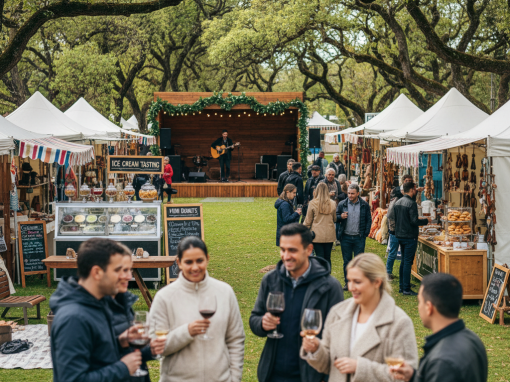
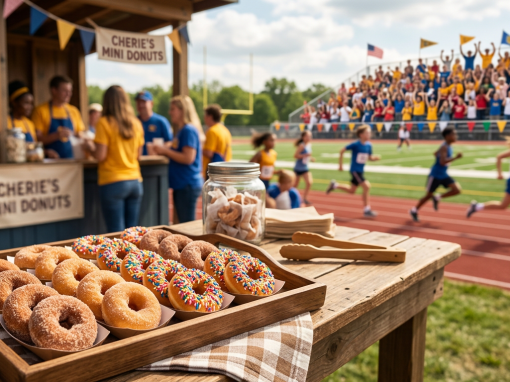
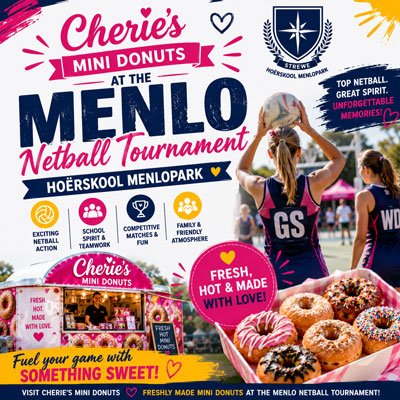
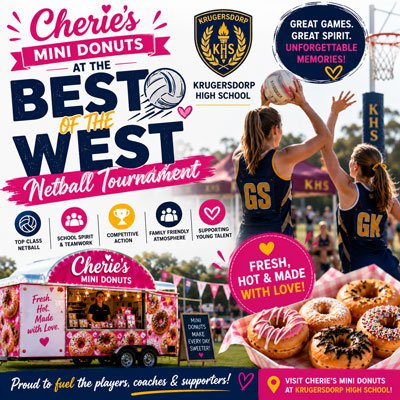
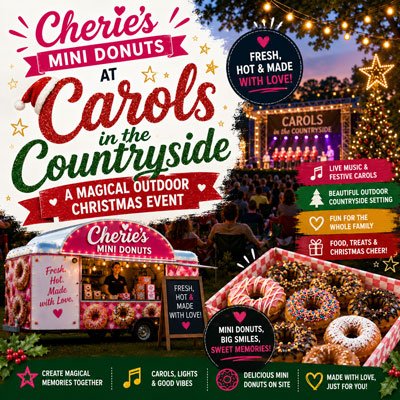
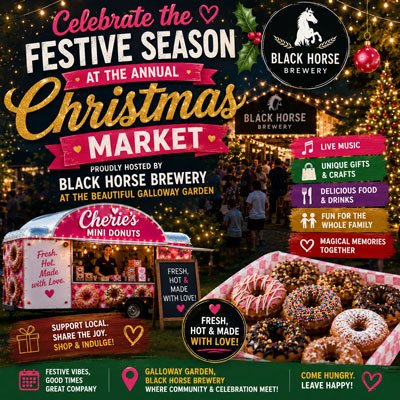
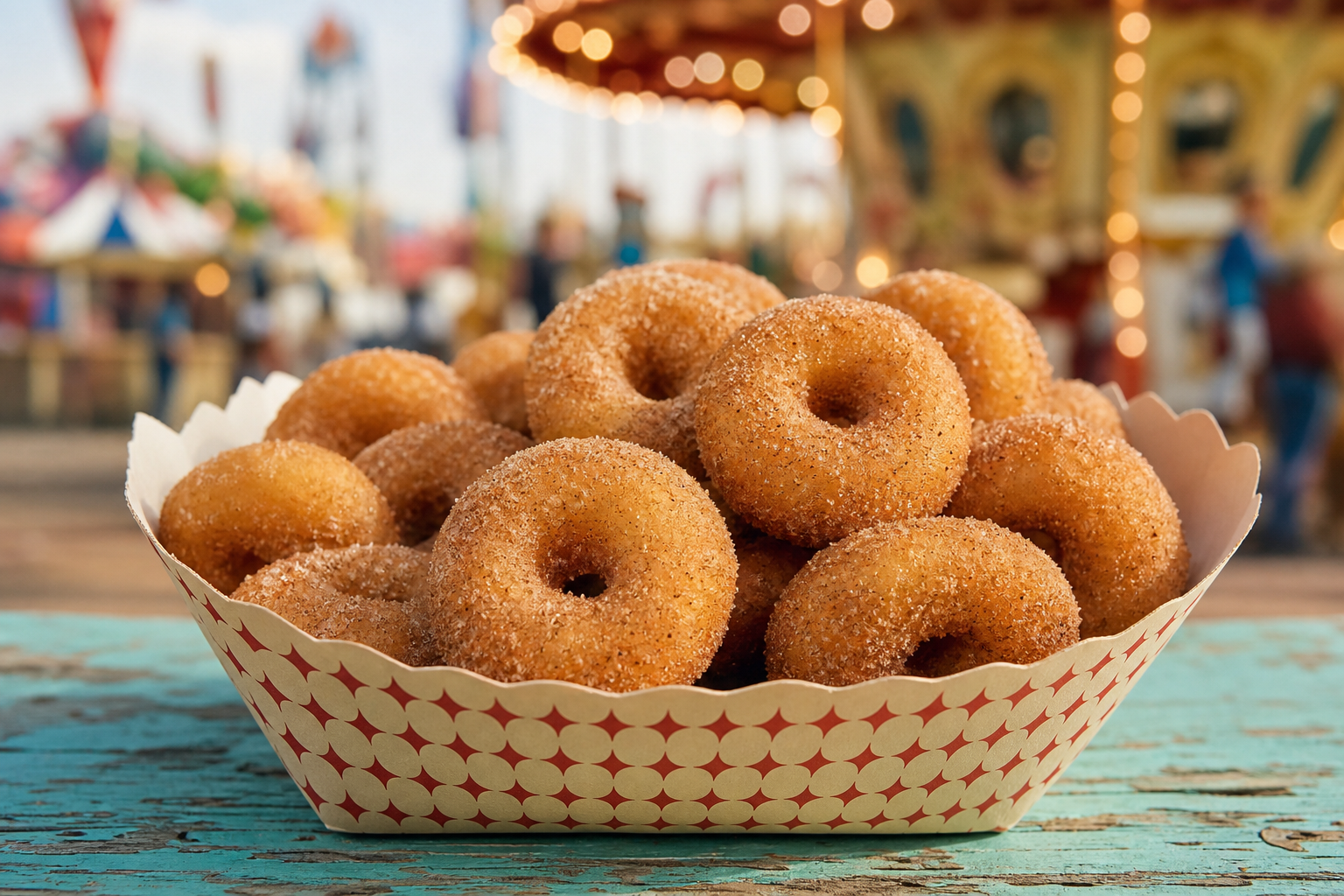
Mini donuts truly found their identity at fairs, carnivals, markets, and festivals. Their size made them perfect for paper bags, trays, and cones. Customers could watch them being made, smell the warm dough and cinnamon, and enjoy them immediately.
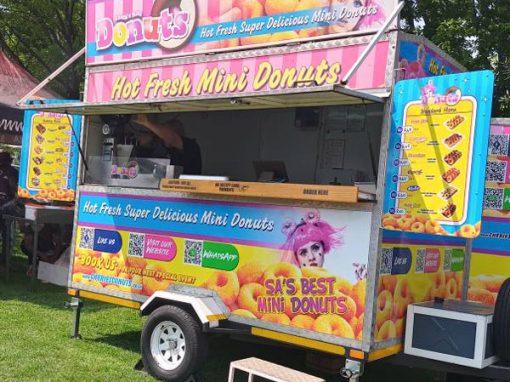
This fresh, made-on-the-spot experience became part of the mini donut charm. Unlike larger donuts that were often displayed behind a bakery counter, mini donuts were frequently prepared in front of the customer. The theatre of the machine, the smell of frying dough, and the final dusting of sugar all helped turn mini donuts into an event snack.
Why Mini Donuts Became So Popular
Mini donuts became popular because they solve a simple problem: they deliver the full donut experience in a smaller, more flexible form. They are easy to portion, easy to serve, and easy to customise.
- They are shareable: A box or tray of mini donuts works well for groups.
- They feel freshly made: Their small size allows them to be cooked and served quickly.
- They are customisable: Glazes, sugars, sauces, and toppings can be mixed and matched.
- They are event-friendly: Mini donuts are easy to serve at markets, weddings, birthdays, corporate events, and pop-ups.
- They offer variety: Customers can try more than one flavour without committing to a full-size donut.
From Classic Cinnamon Sugar to Modern Flavours
The earliest mini donuts were often served simply, especially with cinnamon sugar or powdered sugar. Those classic versions remain popular because they highlight the warm dough and crisp exterior.
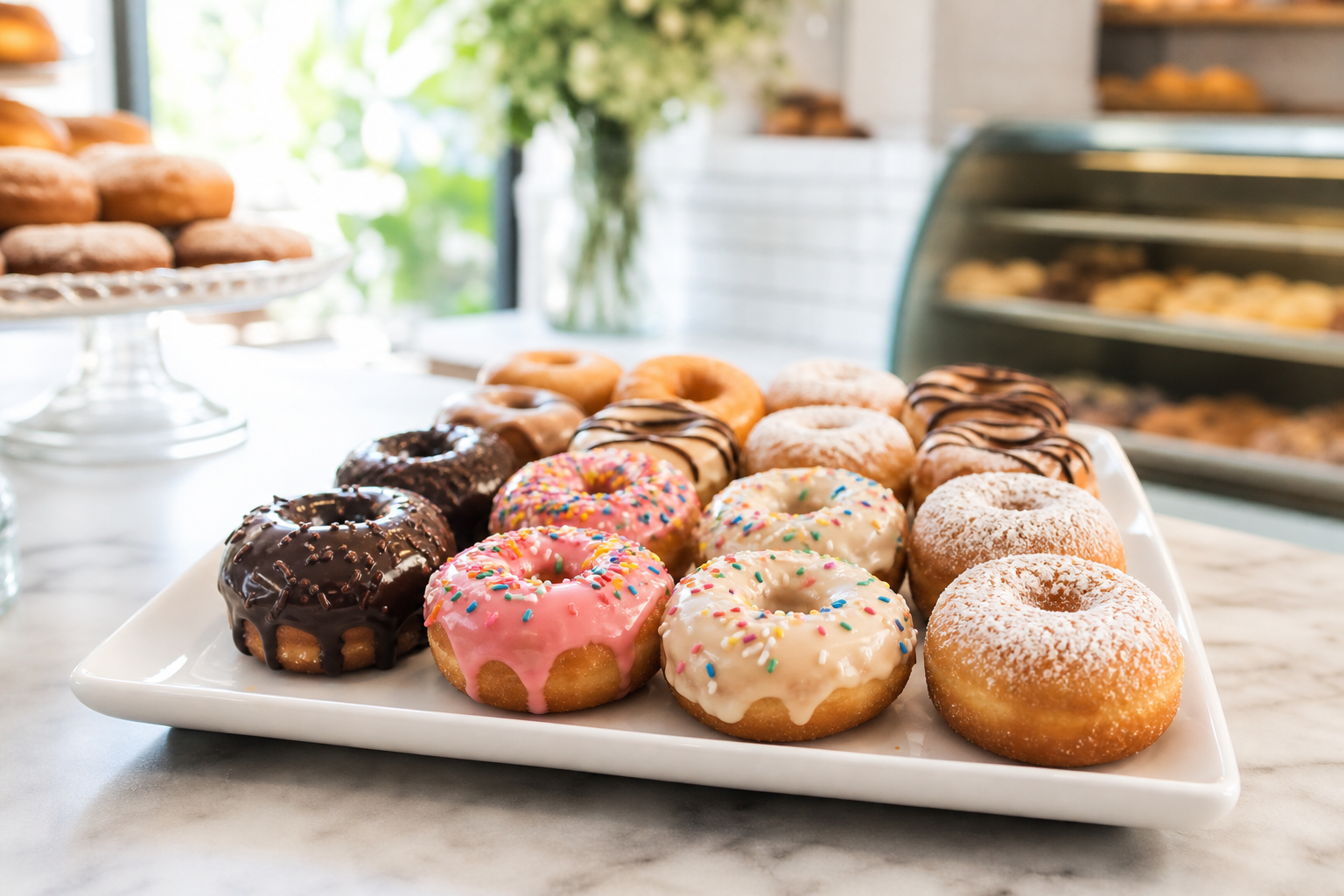
Modern mini donuts, however, have become a canvas for creativity. Bakeries now offer flavours inspired by chocolate bars, birthday cakes, coffee, caramel, berries, cookies, and seasonal ingredients. This combination of nostalgia and novelty is one reason mini donuts continue to attract attention.
Are Mini Donuts Different From Regular Donuts?
Mini donuts are usually made with similar ingredients to regular donuts, but their size changes the eating experience. They cook faster, can have a slightly crispier bite, and are often served in multiples rather than individually. That makes them feel more like a snack platter than a single pastry.
The Bite-Sized Treat That Keeps Evolving
So, how did mini donuts start? They began as part of the wider history of fried dough, were shaped by the invention of donut-making machines, and became famous through fairgrounds and markets where fresh, hot snacks are part of the fun.
Today, mini donuts remain popular because they are nostalgic, versatile, and made for sharing. Whether served warm with cinnamon sugar or decorated with colourful toppings, they prove that a small donut can make a big impression.
Mini Donut History: Quick FAQ
Where did mini donuts come from?
Mini donuts developed from traditional fried dough and regular donuts, becoming especially popular once donut machines made small, fresh batches practical for fairs, markets, and events.
Why are mini donuts common at fairs?
Mini donuts are ideal for fairs because they cook quickly, smell delicious, are easy to serve in portable portions, and can be eaten while walking around.
What is the most classic mini donut topping?
Cinnamon sugar is one of the most classic mini donut toppings, especially for fresh, warm mini donuts served at markets and carnivals.
Donut Menu
Plain Jane
Cinnamon/Sugar
Chocolate
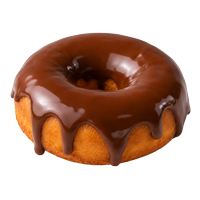
Milky Bar
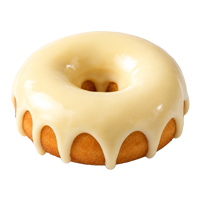
Caramel
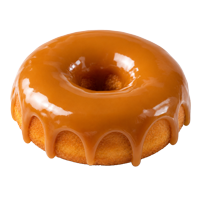
Half & Half
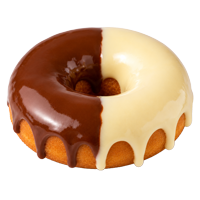
Mars
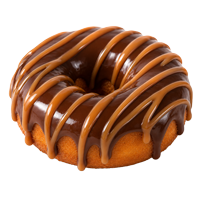
Top Deck
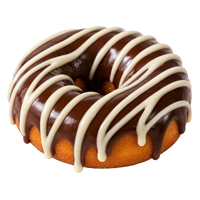
Nuts
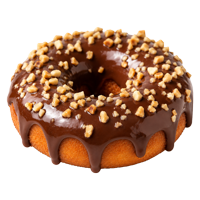
Jelly Tots
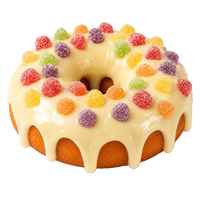
Astros
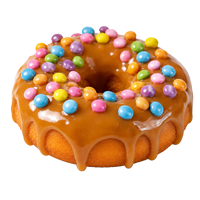
Smarties
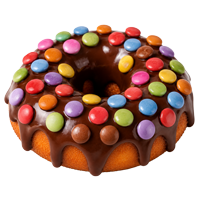
Please Note: The product images displayed on our website are for illustration purposes only. As every tray is freshly prepared to order, the appearance, drizzle patterns, toppings, and presentation may vary slightly from the images shown.
Our standard serving is a tray of 10 freshly made mini donuts. For corporate events and special functions, we also offer convenient serving options of 5 or 8 mini donuts per tray, allowing you to choose the portion size that best suits your event. Regardless of the serving size, every tray is made fresh on-site using the same premium ingredients and delicious toppings.
Contact us for pricing